
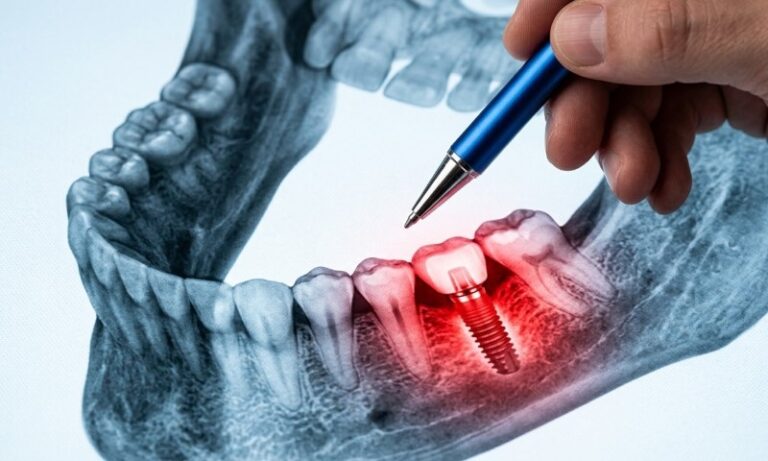
Dental implants abroad can cost far less than treatment in the United States or the United Kingdom, but the safest choice is never based on price alone. In 2026, patients commonly compare Mexico, Turkey, Hungary, Croatia, Poland, Thailand, and Costa Rica because private dental fees at home can be high and insurance coverage can be limited.
The practical answer is clear: dental tourism can be worth it when the clinic is properly licensed, the implant brand is traceable, the treatment plan is staged safely, and aftercare is realistic.
It becomes risky when a patient books from a low-price ad without checking the dentist, scan requirements, crown materials, infection control, complaint rights, and return-visit costs.
What Dental Implants Abroad Usually Include
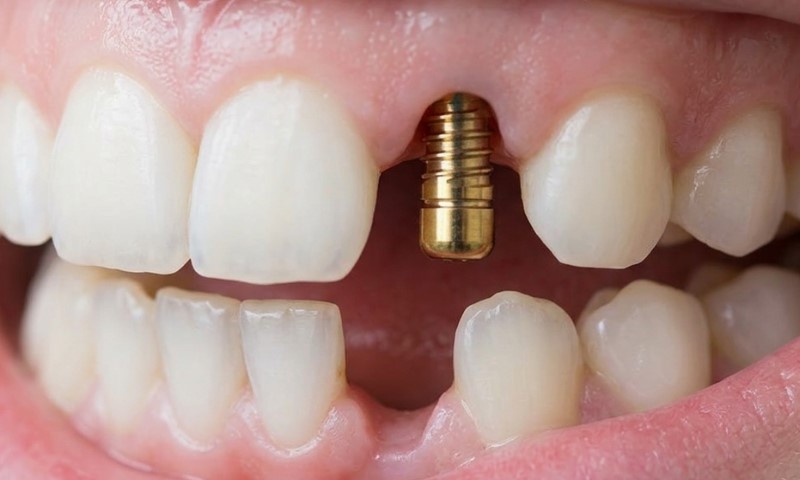
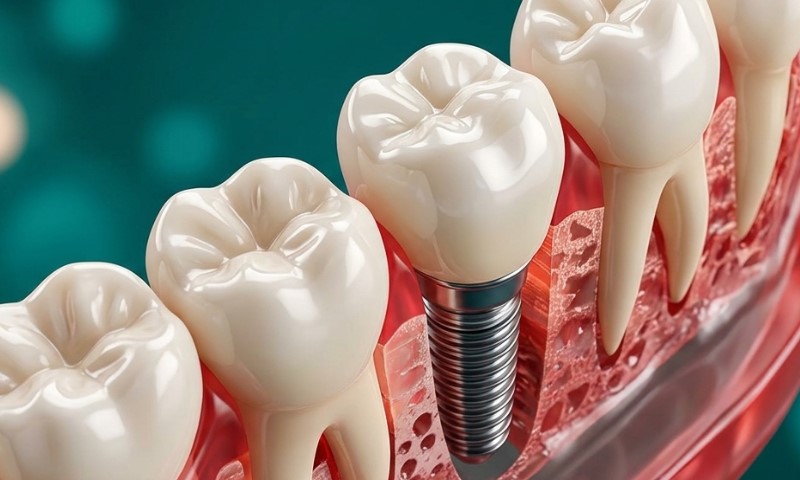
A dental implant is a surgical replacement for a missing tooth root. The system usually includes an implant body placed into the jawbone, an abutment, and a visible crown or prosthetic tooth.
The FDA explains dental implant systems as medical devices with several parts, not a single screw.
For a single missing tooth, a complete implant quote should usually mention:
- Consultation and treatment planning
- CBCT or 3D scan
- Tooth extraction, if needed
- Bone graft or sinus lift, if needed
- Implant post
- Abutment
- Temporary tooth, where suitable
- Final crown
- Follow-up appointments
- Warranty conditions
Many cheap online ads show only the implant post price. A titanium screw alone does not restore chewing, speech, or appearance. A realistic quote must include the abutment and crown, along with any diagnostic or surgical extras needed for the patient’s actual mouth.
Why Patients Travel for Dental Implants in 2026
Patients travel because private implant treatment can be expensive, especially when several teeth are missing. In the United States, ClearChoice lists 2026 prices at about $5,000 to $7,500 for a single tooth implant and $14,000 to $36,000 per arch for full-mouth implant treatment.
Aspen Dental reports that patients pay $4,259 per implant on average, with the post, abutment, and crown typically included.
In the United Kingdom, private prices also vary widely. The Campbell Clinic gives 2026 guide prices of £2,400 to £3,500 for a single implant with crown, while full-arch implant treatment can run from £15,000 to £25,000 per arch. Those figures appear in its UK dental implant guide.
High domestic costs explain the appeal of dental tourism, but price pressure can distort decision-making. A patient who needs gum treatment, bone grafting, bite correction, or staged healing may not be a good candidate for a short “implant holiday.”
Cost Comparison: Home Treatment vs Abroad
Advertised international prices vary by clinic, city, implant brand, laboratory work, restoration material, and whether the quote includes the final teeth.
Dental tourism providers often publish lower ranges for Turkey, Mexico, Hungary, Thailand, and similar destinations, but those figures should be treated as market estimates, not guaranteed personal fees.
| Location | Common 2026 advertised range | Best fit | Cost warning |
|---|---|---|---|
| United States | Around $3,000 to $7,500 for a single implant | Patients needing local aftercare and domestic legal protection | Insurance may not cover implants fully |
| United Kingdom | Around £2,400 to £3,500 for a single implant with crown | Patients who value local follow-up and familiar regulation | London and specialist-led care may cost more |
| Mexico | Around $1,000 to $1,800 for a single implant | U.S. and Canadian patients near border areas or direct flights | Confirm whether abutment, crown, scans, and reviews are included |
| Turkey | Around $400 to $1,500 in many tourism price ranges | European patients seeking lower-cost package care | Very low quotes may exclude premium materials or staged care |
| Hungary | Around $800 to $1,900 in some tourism price tables | European patients seeking implant care with shorter travel | Travel back for follow-up still matters |
| Thailand | Around $1,400 to $3,000 in some tourism price tables | Patients combining dental care with longer planned travel | Long-distance follow-up can be harder |
Mexico is one of the most searched destinations for U.S. patients. Booking.dentist reports that a single dental implant in Mexico generally costs $1,000 to $1,800, often including implant, abutment, and crown.
Turkey often advertises even lower entry prices. One 2026 Turkey-focused guide lists $400 to $800 for a single implant, depending on clinic, brand, and package structure.
The real comparison is not “home price vs clinic ad.” The proper comparison is complete treatment at home vs complete treatment abroad plus flights, hotel, scans, medication, time off work, second trip, corrections, and emergency care.
Quality Can Be Excellent, but It Must Be Verified
Dental implant quality abroad can be excellent when a qualified implant dentist uses proper diagnostics, recognized implant systems, sterile surgical protocols, and realistic healing timelines.
Country alone does not determine quality. A strong clinic in Istanbul, Budapest, Zagreb, Bangkok, or Tijuana may be safer than a weak clinic at home, while a poor overseas provider can create serious harm.
The CDC notes that dental care is the most common form of medical tourism among U.S. residents, partly because of high dental costs and underinsurance.
The same CDC guidance warns that destination-country dentists may not face the same licensure oversight as U.S. counterparts.
Before booking, ask for named evidence:
- Dentist’s full name, license number, and implant training
- Clinic registration and inspection status
- Implant brand and model
- Crown material, such as zirconia or porcelain-fused-to-metal
- CBCT scan requirement before surgery
- Written treatment plan
- Written consent form in your language
- Sterilization protocol
- Emergency contact after surgery
- Clear complaint procedure
A clinic that refuses to name the dentist or implant brand should be crossed off the list.
Implant Brand Matters More Than Many Patients Realize
A dental implant should come with a traceable brand and model. The FDA specifically advises patients to ask what brand and model of implant system will be used and to keep that information in their records. That detail appears in its implant patient guidance.
Traceability matters because repairs years later may require matching parts. If a screw loosens or a crown needs replacement, a local dentist will need to know the implant system.
Reputable global brands include Straumann, Nobel Biocare, Zimmer Biomet, BioHorizons, Dentsply Sirona, Osstem, Hiossen, and MIS, but brand reputation alone does not guarantee success.
Placement, bone quality, gum health, bite forces, smoking status, diabetes control, hygiene, and follow-up care all influence the result.
Ask the clinic to provide an implant passport or written record with:
- Implant manufacturer
- Implant diameter and length
- Lot or batch number
- Abutment type
- Crown material
- Date of placement
- Surgeon’s name
Without those details, future maintenance becomes harder.
Safety Risks Patients Notice Too Late
The biggest risks are poor diagnosis, rushed timing, infection, nerve injury, sinus problems, bite problems, implant failure, and no practical aftercare once the patient returns home. The FDA lists possible implant risks including sinus perforation, jawbone fracture, damage to nearby teeth, poor bite function, loose components, implant body failure, and the need for another procedure.
Dental implants also need healing time in many cases. The European Federation of Periodontology says the implant usually needs to heal before crowns are added, with osseointegration often taking between 2 and 6 months. Same-day teeth can be legitimate in selected full-arch cases, but “same-day permanent implants for everyone” is a red flag. Immediate-load treatment depends on bone density, implant stability, bite design, and patient habits.
Medical tourism adds non-dental risks. The CDC warns that medical tourism websites may not provide full details on facility accreditation, certification, or practitioner qualifications, while local standards can differ from those in the patient’s home country.
Who Should Be Extra Careful Before Traveling?
View this post on Instagram
Patients with higher surgical risk should get a local second opinion before paying for treatment abroad. Dental implants are surgery, not simple cosmetic work.
Extra caution is needed for people with:
- Poorly controlled diabetes
- Heavy smoking or vaping habits
- Active gum disease
- Low bone density in the jaw
- Previous radiation therapy to the head or neck
- Immune suppression
- Blood-thinning medication
- Bruxism, meaning strong grinding or clenching
- History of implant failure
- Need for sinus lift or large bone graft
Tooth loss is also a major global health issue, especially in older adults. The World Health Organization estimates that complete tooth loss affects almost 7% of people aged 20 or older worldwide, rising to 23% among people aged 60 or older. Older implant patients often need careful review of medication, bone health, medical history, and hygiene capacity.
Aftercare Is the Weak Point in Many Overseas Plans
Aftercare decides whether the saving is real. NHS guidance for treatment abroad says patients should consider possible complications, aftercare coordination, recovery time before flying home, insurance, exchange rates, longer stays, and possible return trips. The NHS also warns against hard selling, pressure to decide quickly, poor information, no discussion of complications, and no mention of aftercare.
A safe overseas implant plan should answer several practical questions before travel:
- Who checks the surgical site after placement?
- How long should the patient stay before flying?
- Who handles swelling, bleeding, or infection?
- What happens if the temporary tooth breaks?
- Who places the final crown?
- Can a local dentist perform follow-up?
- Who pays if the implant fails within 6 months?
- What records will be sent home?
The General Dental Council in the UK tells patients to research whether the destination country has a professional regulatory body and whether dental professionals must be registered. Its guidance on dental treatment abroad also reminds patients that complaint and regulatory systems may differ outside the UK.
Why Cheap Full-Mouth Implants Need Extra Scrutiny
Full-mouth implants carry more risk than one missing tooth. All-on-4, All-on-6, and full-arch zirconia bridges can change speech, chewing, facial support, bite force, and cleaning routines. A rushed plan may remove teeth that could have been saved.
Before agreeing to full-mouth extraction and implants abroad, ask for:
- A tooth-by-tooth diagnosis
- Periodontal charting
- CBCT scan review
- Explanation of teeth that can be saved
- Temporary prosthesis design
- Final prosthesis material
- Number of implants per arch
- Whether implants are tilted or straight
- Cleaning access under the bridge
- Maintenance schedule
- Repair policy for chipped teeth or broken screws
Advertised All-on-4 prices can look dramatic. One 2026 international comparison from Perla Dental Clinics lists All-on-4 ranges from about $3,300 to $7,100 in Turkey, $4,600 to $9,200 in Hungary, $5,800 to $11,500 in Mexico, and $7,000 to $12,800 in Thailand, according to its country cost guide. A lower price may still be good value, but only when the plan includes diagnostics, temporary teeth, final teeth, revisions, and follow-up.
Red Flags Before Booking a Clinic Abroad
Do not book implant treatment abroad when the clinic uses pressure, secrecy, or vague promises. NHS warning signs include a hard sell, lack of information, pressure to make a quick decision, no discussion of possible complications, and no aftercare plan.
Watch for red flags such as:
- “Pay today for 50% off”
- No named dentist
- No CBCT scan requirement
- No medical history review
- Only WhatsApp consultation for a surgical plan
- “Lifetime guarantee” with unclear conditions
- No mention of gum disease
- No written plan for complications
- No implant brand listed
- No explanation of staged healing
- Before-and-after photos with no case details
- Refusal to send records to your local dentist
A strong clinic will welcome detailed questions. A weak clinic will treat questions as an obstacle to closing the sale.
What to Ask During the Consultation
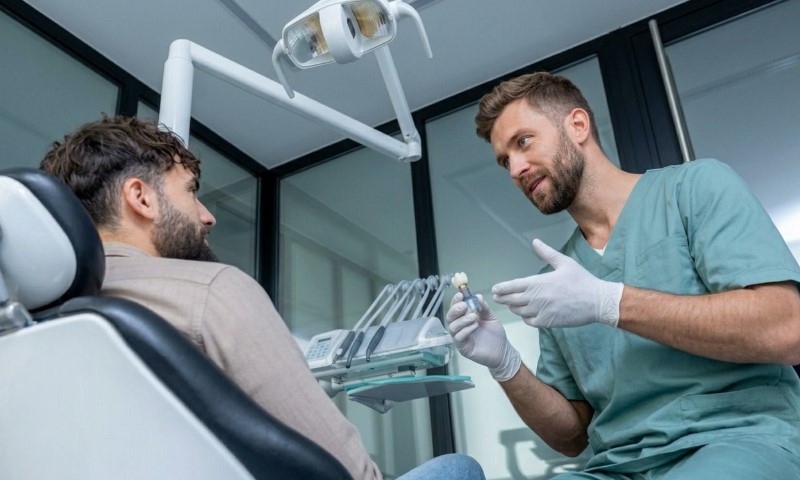
Ask direct questions and request written answers. The GDC advises patients to ask who will carry out treatment and what qualifications they have before agreeing to care abroad.
- Who is the implant surgeon, and where is the license registered?
- How many implant cases does the dentist perform each year?
- Will a CBCT scan be used before surgery?
- Do I need gum treatment before implants?
- Do I need bone grafting or a sinus lift?
- What implant brand and model will be used?
- Is the crown included in the quoted price?
- How many visits are required?
- How long must I wait before final crowns?
- What happens if pain, swelling, or implant mobility appears after I return home?
- Will my records be provided in English?
- What legal complaint process applies?
A clinic that gives precise answers is easier to evaluate than one that sells a package first and clinical details later.
How to Calculate the Real Cost
The safest financial comparison uses total-case math, not headline price. NHS guidance reminds patients to factor in exchange rates, extended stays, and return trips when savings motivate treatment abroad.
| Cost category | Why it matters |
|---|---|
| Dental quote | Confirm implant, abutment, crown, scans, anesthesia, and medications |
| Flights | Return visits may be needed after healing |
| Hotel | Healing delays can extend the stay |
| Local transport | Airport transfers may not cover clinic return visits |
| Food | Soft diet needs may change plans |
| Time off work | Two visits can mean more lost income |
| Travel insurance | Elective treatment may require disclosure |
| Local second opinion | Useful before irreversible extraction |
| Emergency reserve | Infection, pain, or repair may add cost |
| Future maintenance | Screws, crowns, hygiene visits, and repairs continue for years |
A patient saving $5,000 on treatment can lose much of that margin through one unplanned return flight or corrective procedure.
Best Candidates for Dental Implants Abroad
The best candidates are medically stable, well-informed, and able to stay long enough for safe treatment. A good candidate usually has controlled general health, no active gum infection, realistic timing, clear records, and access to follow-up care either abroad or locally.
Better candidates often include:
- A patient needing one or two implants with healthy gums
- A patient who can make two planned trips
- A patient near the destination country
- A patient with a local dentist willing to help with follow-up
- A patient who receives a detailed written plan before travel
Riskier candidates include people seeking instant full-mouth treatment after only photo review, patients planning major surgery during a short holiday, and anyone being urged to remove many teeth without a second opinion.
Final Safety Checklist Before Paying a Deposit
Before paying, collect enough information to let an independent dentist review the plan. The American Dental Association advises travelers to think carefully before seeking dental care abroad to save money, especially when access to reliable care may vary by destination. That warning appears in its travel and dental care guidance.
- Get a local exam first
- Send recent X-rays and medical history
- Request a written diagnosis
- Confirm dentist license and implant training
- Ask for clinic registration details
- Confirm implant brand and model
- Ask whether a CBCT scan is mandatory
- Request full cost with exclusions
- Confirm aftercare and emergency rules
- Check complaint process in the destination country
- Avoid same-day pressure
- Keep all records after treatment
Good overseas implant care is possible. The safer mindset is to treat dental tourism as surgical planning, not discount shopping.
FAQs
Final Thoughts
Dental implants abroad can be a reasonable option in 2026 when the clinic is qualified, the treatment plan is complete, the implant system is traceable, and aftercare is realistic. The main savings are usually found in lower clinical and laboratory costs, especially in countries with strong dental tourism markets. The main dangers come from rushed decisions, vague quotes, poor follow-up, and irreversible treatment based on incomplete diagnosis.
The safest rule is simple: choose the dentist and treatment plan first, then compare the price. A lower quote only matters when it covers safe surgery, durable materials, proper healing time, clear records, and a realistic plan for care after returning home.