
Pressure injuries remain one of the most stubborn challenges in hospitals and long term care settings, even with decades of clinical guidelines and awareness campaigns.
At their core, these injuries develop when sustained pressure limits blood flow to vulnerable tissue, but the real reasons they persist are far more complex.
They sit at the intersection of aging populations, limited staffing, inconsistent prevention practices, and competing clinical priorities.
What makes this issue especially difficult is that pressure injuries are often viewed as inevitable rather than preventable.
When patients are frail, immobile, or medically unstable, prevention can quietly slide down the priority list.
Over time, this mindset reinforces a cycle where injuries are treated after they appear rather than stopped before they begin, keeping rates stubbornly high across care environments.
System Level Factors That Increase Risk

Pressure injuries rarely result from a single failure. They are usually the outcome of several system level pressures building up at once.
Staffing shortages, high patient acuity, and workflow constraints all play a role in limiting consistent prevention.
In many facilities, nurses and caregivers are responsible for more patients than best practice guidelines recommend.
That reality affects how often repositioning happens, how carefully skin is inspected, and how quickly early warning signs are noticed.
Common system level contributors include:
- High patient to staff ratios that reduce repositioning frequency
- Limited access to advanced pressure redistribution surfaces
- Documentation demands that compete with bedside care
- Inconsistent staff training across shifts and departments
When these pressures combine, even well intentioned teams struggle to maintain prevention standards consistently.
The Human Cost Behind the Clinical Labels
Pressure injuries are often discussed in clinical terms, staged, coded, and documented. What gets lost is the lived experience of the patient.
These wounds can cause severe pain, increase infection risk, prolong hospital stays, and limit rehabilitation progress.
For long term care residents, the impact is even deeper. A pressure injury can reduce mobility further, affect sleep, and diminish overall quality of life.
Families often experience guilt and frustration, especially when they believed preventive care was already in place.
Beyond the physical toll, pressure injuries can undermine trust in care institutions.
When preventable harm occurs, patients and families may question whether basic needs are truly being met, which adds an emotional burden that no chart note can capture.
Prevention Strategies That Work in Real Settings
Effective prevention is rarely about one intervention. It is about layering practical strategies that fit into real workflows. Risk assessment tools help, but they only matter if paired with action.
Regular repositioning, skin inspections, moisture management, and nutrition support remain foundational. However, these steps must be supported by systems that make them realistic rather than aspirational.
Facilities that reduce pressure injury rates often share similar practices:
- Clear repositioning schedules embedded into daily routines
- Skin checks integrated into existing care tasks
- Early involvement of wound care specialists
- Use of pressure relieving surfaces for high risk patients
- Ongoing education that reinforces why prevention matters
Consistency, not novelty, is what drives long term improvement.
Technology and Support Surfaces in Prevention

Support surfaces have evolved significantly, offering better pressure redistribution and automation that can ease staff workload.
In settings where manual turning schedules are difficult to maintain, advanced surfaces can provide meaningful support.
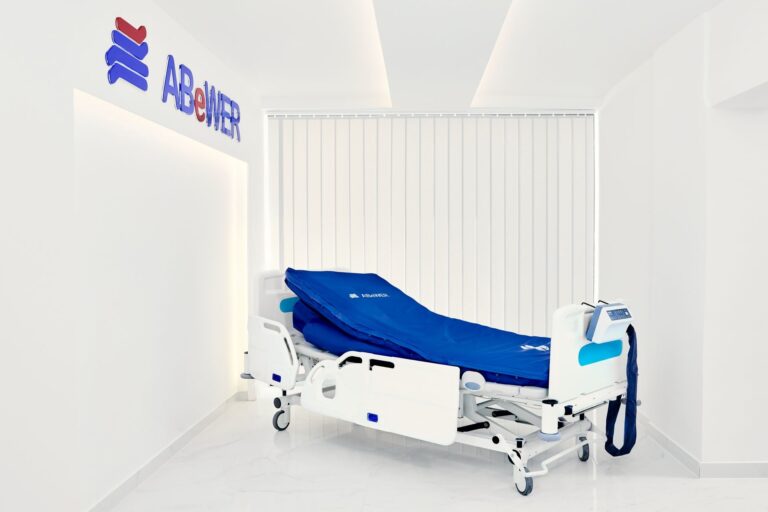
Some facilities now integrate automated turning systems as part of a broader prevention approach.
Designed specifically for patients at high risk of pressure injuries, offering both prevention and active therapy for bedsores and pressure ulcers.
Used across hospitals, rehabilitation centers, and home care environments, this type of solution addresses a very real gap in day-to-day care where manual repositioning cannot always happen as frequently as recommended.
By combining advanced alternating pressure technology with automatic lateral turning, systems like the one available through abewer.com help reduce prolonged pressure on vulnerable areas while maintaining patient comfort and clinical stability.
This approach supports consistent repositioning, lowers caregiver strain, and contributes to better overall patient outcomes without disrupting existing care routines.
Hospitals vs Long Term Care: Different Pressures, Same Outcome
While hospitals and long term care facilities face different operational realities, pressure injury risks overlap in important ways.
Hospitals manage acute illness, rapid turnover, and high intensity care. Long term care focuses on chronic conditions, mobility limitations, and extended stays.
The table below highlights key differences that influence prevention efforts:
| Setting | Primary Risk Drivers | Prevention Challenges |
| Hospitals | Acute illness, surgery, sedation | Short stays, shifting responsibility |
| Long term care | Immobility, frailty, aging skin | Staffing continuity, long term compliance |
Despite these differences, both settings struggle with consistency.
When prevention strategies are not adapted to each environment, gaps appear and injuries follow.
Training Gaps and Practice Drift Over Time
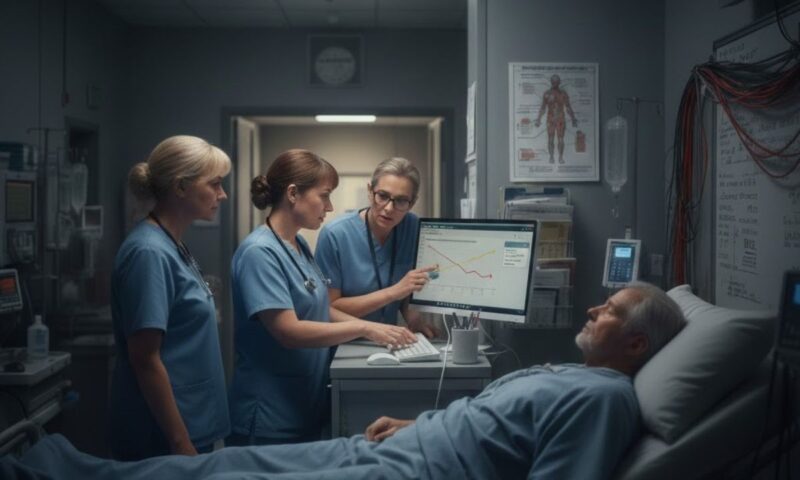
Most healthcare professionals receive education on pressure injury prevention early in their careers.
Over time, however, practice drift can occur.
New staff learn informal habits, shortcuts emerge, and guidelines fade into the background.
Ongoing education is essential, but it must be practical and relevant. Annual training modules alone rarely change behavior.
What works better is regular reinforcement tied to real cases and outcomes within the facility.
Effective education approaches often include:
- Brief in service sessions linked to recent incidents
- Visual reminders at the point of care
- Peer led discussions about prevention challenges
- Feedback loops showing progress or setbacks
When staff understand how their daily actions connect to patient outcomes, prevention becomes personal rather than procedural.
Documentation, Accountability, and Missed Signals
Documentation plays a critical role in pressure injury prevention, but it can also become a barrier.
When charting is overly complex or disconnected from bedside reality, important signals may be missed.
Early skin changes, subtle redness, or patient discomfort sometimes get documented without triggering action.
Over time, these missed opportunities accumulate.
A focused approach to documentation helps:
- Standardized skin assessment language
- Clear escalation pathways for early findings
- Shared accountability across disciplines
- Regular audits that look for patterns, not blame
Good documentation should support care, not distract from it.
Did you know that studies consistently show a large percentage of pressure injuries develop within the first few days of admission?
This early window is critical because patients are often unstable, immobile, or unfamiliar with their environment.
Early prevention efforts during this period can significantly reduce injury rates.
That includes prompt risk assessment, immediate use of pressure redistribution surfaces, and clear repositioning plans from day one.
Waiting even a short time can allow tissue damage to begin, especially in high risk individuals.
Why the Challenge Continues Despite Awareness
Awareness alone does not change outcomes. Pressure injuries persist because prevention requires sustained attention in environments already under strain.
Competing priorities, limited resources, and human fatigue all contribute.
There is also a tendency to focus on compliance rather than outcomes.
Checking boxes does not guarantee that repositioning happened effectively or that skin was truly assessed.
Real progress happens when prevention is treated as a shared responsibility supported by leadership, systems, and realistic tools.
It requires acknowledging constraints honestly and designing solutions that fit within them rather than ignoring them.
Moving Toward More Reliable Prevention

Reducing pressure injuries is achievable, but it demands alignment across people, processes, and tools.
Facilities that see lasting improvement do not rely on one initiative. They build prevention into daily care in ways that survive staffing changes and workload fluctuations.
That means investing in staff education, choosing supportive technologies wisely, simplifying documentation, and maintaining a patient centered focus.
When prevention becomes part of how care is delivered rather than an added task, outcomes improve.
Pressure injuries are not an unsolvable problem.
They are a signal that systems need adjustment. Addressing them thoughtfully protects patients, supports caregivers, and strengthens trust in healthcare itself.